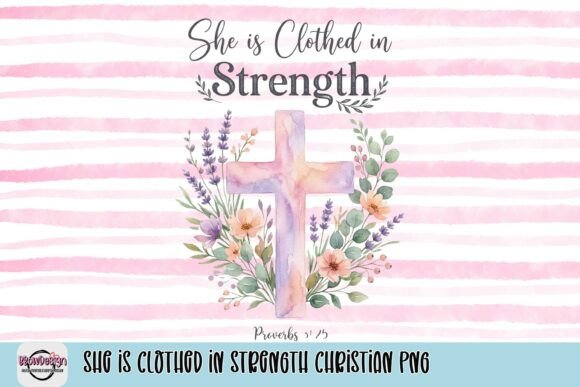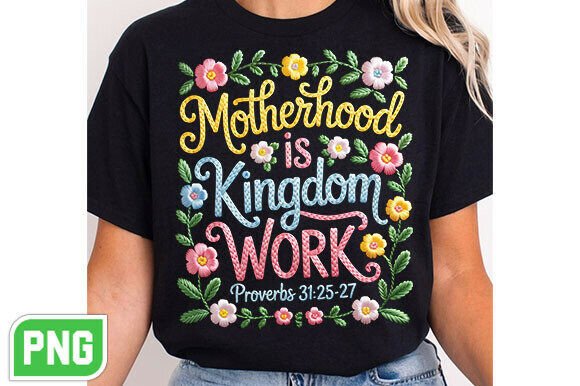
Faux Yarn Christian Mother Hood PNG
First Impressions: Warm, Handmade, and Gently Devotional
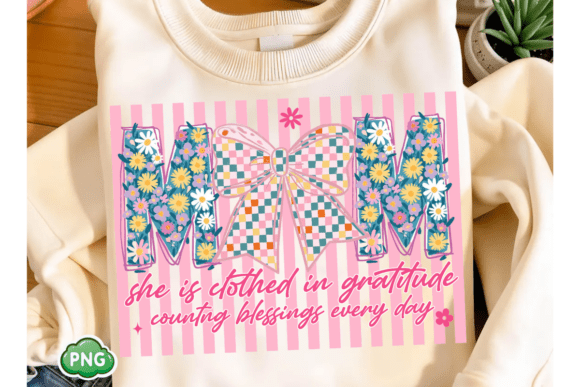
Opening Faux Yarn Christian Mother Hood PNG feels like unfolding a hand-stitched sampler from a quiet Sunday morning—soft edges, intentional spacing, and a gentle reverence that avoids cliché. It’s not bold or graphic; it’s tender. The “hood” motif is stylized with subtle yarn-textured strokes, giving the illusion of hand-crocheted warmth without literal fiber clutter. The word “Mother” anchors the composition, while “Christian” and “Hood” nestle in supportive curves—neither shouting nor whispering, but holding space. This isn’t a design for high-contrast streetwear; it’s made for items people hold close: baby blankets, kitchen towels folded on a farmhouse counter, or a cozy sweatshirt worn to church coffee hour.
A Real-World Test: Embroidering It on a Linen-Cotton Tote Bag
Last week, I stitched Faux Yarn Christian Mother Hood PNG onto a natural linen-cotton tote for a local boutique’s Mother’s Day collection. Why this design? Because their customers don’t want slogans—they want sincerity, tactfully expressed. The design scaled beautifully at 4.2 inches wide (hoop-friendly for most mid-size machines), and the faux-yarn texture translated surprisingly well in satin stitch with matte cotton thread. No pixelation, no jagged transitions—just soft, cohesive lines that read clearly even from three feet away. Customers responded strongly: several asked if it came in a matching tea towel set or nursery pillow cover. That tells me something important—the design carries emotional resonance *and* commercial versatility.
Where It Shines—and Where It Needs Thoughtful Handling
Faux Yarn Christian Mother Hood PNG excels in custom apparel where tone matters: sweatshirt embroidery for faith-based small groups, embroidered patches for homeschool co-op jackets, or personalized baby onesies with delicate script. Its balanced negative space makes it forgiving on textured fabrics like terry cloth (kitchen towels) or looped fleece (nursery blankets). As a tote bag design, it breathes. As an apron embroidery, it adds quiet identity without overwhelming function.
But let’s be practical: avoid using it on thin, stretchy knits (like lightweight jersey tees) without heavy cutaway stabilizer—the faux-yarn strokes rely on clean tension, and wobble distorts the warmth. On dark fabric, test thread contrast carefully: light ecru or oatmeal thread reads better than stark white, preserving the handmade vibe. And skip curved surfaces like caps unless you’re confident in your digitizing adjustments—the gentle arcs of the letterforms don’t auto-compensate for crown distortion.
Stitching Clarity Meets Customer Trust
This isn’t just about how it looks when stitched—it’s about what it communicates before the first stitch. When a customer sees Faux Yarn Christian Mother Hood PNG in your Etsy listing or craft fair display, they’re subconsciously assessing craftsmanship, intention, and alignment with their values. The design’s restraint builds trust. It doesn’t try to do too much. That translates directly to perceived value: buyers pay more for pieces that feel considered, not crowded. For small shop product branding, it supports consistency across seasonal collections—swap thread colors (navy for Advent, sage for Easter) and keep the same gentle voice.
Design Assets That Work Double Duty
As a digital embroidery file, Faux Yarn Christian Mother Hood PNG pulls weight beyond stitching. I used it as a base for printable mockups—layered over neutral fabric swatches in Photoshop, then exported for Instagram carousels. Buyers instantly grasped scale and context. It also works cleanly in black-and-white line art for iron-on transfers or vinyl-cut stencils (with minor cleanup). Just remember: if you’re selling finished items, confirm licensing allows commercial use. If you’re reselling the embroidery file itself, ensure it’s properly digitized—not just traced—and optimized for common formats (.pes, .jef, .dst).
Five Must-Do Checks Before You Stitch
- Test on scrap fabric first—especially if using textured or blended weaves. Faux-yarn effects can blur on loosely woven linen without proper topping.
- Review stitch density. Light fill areas should stay airy; dense satin zones shouldn’t pucker. Adjust underlay if needed.
- Confirm hoop size compatibility. At standard sizes (3x3" to 5x7"), it fits—but verify the actual dimensions in your software.
- Inspect small details: the curve of the “C” in “Christian,” the tapered end of the “d” in “Hood.” These define legibility at smaller scales.
- Try it in grayscale mockups on both light and dark backgrounds. Does the hierarchy hold? Does “Mother” still anchor the piece?
Final Thought: A Quiet Anchor for Meaningful Makes
Faux Yarn Christian Mother Hood PNG won’t dominate a festival booth or trend-jack social feeds—but it will earn repeat customers, heartfelt thank-you notes, and quiet pride in your craft business. It belongs on the things people keep: a child’s first Bible cover, a pastor’s gift apron, a grandmother’s holiday tea towel bundle. Used thoughtfully—with the right stabilizer, mindful thread colors, and respect for its gentle rhythm—it becomes more than decoration. It becomes recognition. It says, “I saw you. I made this *for* you.” That’s the kind of handmade product that sells itself—and stays folded neatly in a drawer long after the season ends.