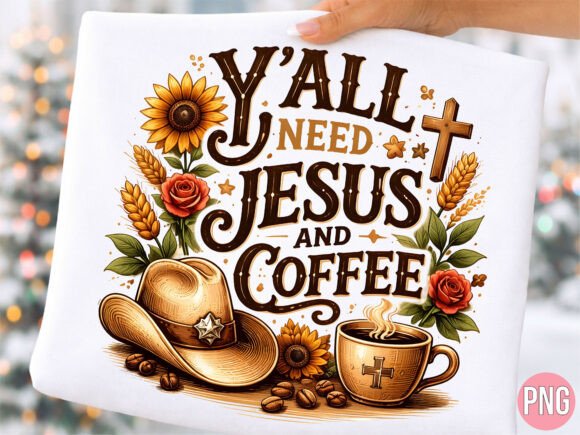
Y All Need Jesus Coffee Western Shirt
First Impression: Bold, Warm, and Unapologetically Handmade
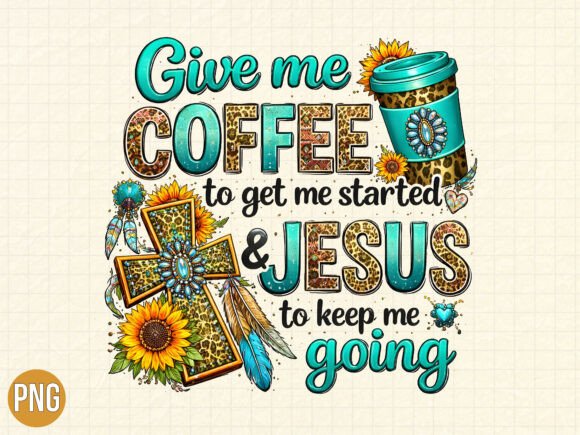
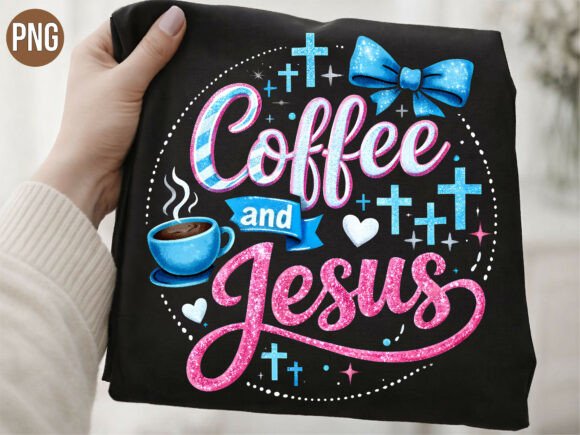
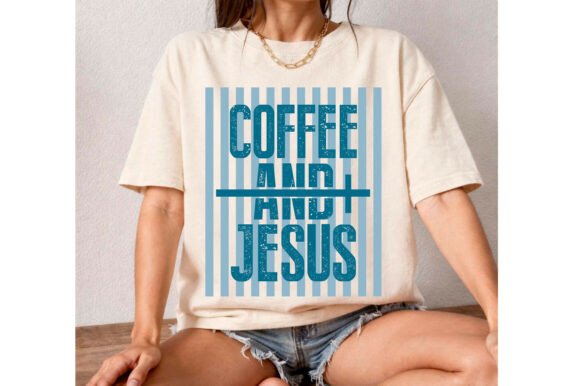
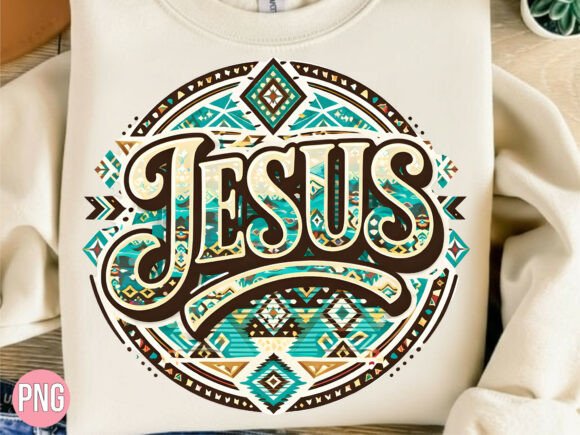
When I opened Y all Need Jesus Coffee Western SHIRT, I didn’t just see lettering—I felt the vibe. It’s got that sun-baked, porch-swing sincerity of a small-town café sign crossed with gospel warmth and western charm. The font leans rustic but legible, with subtle coffee bean motifs tucked into the “O”s and a soft serif weight that avoids looking stiff or digital. There’s no excessive ornamentation—no overdone scrollwork or crowded flourishes—just confident spacing, intentional kerning, and a rhythm that reads well even at 3.5 inches wide. This isn’t a design screaming for attention; it’s one that earns it quietly, like a well-worn denim shirt with a hand-embroidered pocket.
A Real Project Test: Embroidering It on a Linen-Cotton Apron
Last week, I used Y all Need Jesus Coffee Western SHIRT for a custom apron order from a local coffee roastery’s gift shop. They wanted something warm, faith-anchored, and distinctly non-corporate—no stock fonts, no clipart energy. I stitched it across the chest panel in medium brown thread on natural unbleached linen-cotton blend. The result? Instant cohesion. Customers paused mid-shop to ask, “Is that *yours*?” Not because it looked flashy—but because it looked *meant*. That’s the quiet power of this design: it lands as intentional, not imported. It reads like a small business owner chose it carefully—not grabbed from a bundle.
Where It Shines (and Where It Needs Care)
Y all Need Jesus Coffee Western SHIRT works beautifully on structured, medium-weight fabrics: sweatshirt fleece, canvas tote bags, twill caps, and cotton tea towels. Its moderate height and open letterforms hold up well under fill stitch without bleeding or puffing. On a baby onesie? I’d size it down to 2.75" max and use lightweight cutaway + tear-away stabilizer—those gentle curves stay clean, and the letter spacing prevents thread nesting in tight corners.
But here’s where attention matters: avoid using it full-size on highly textured knits (like bouclé sweatshirts) or ultra-thin rayon blends. The design relies on clarity in line weight—so on stretchy fabric, pre-stabilize *thoroughly*, and consider shortening stitch lengths slightly in satin-stitched outlines if your machine allows. On dark fabric, test contrast first—medium tan or deep olive thread reads warmer and more grounded than stark white, which can look clinical against charcoal or navy.
Design Behavior Across Common Use Cases
- Custom apparel & Etsy listings: Strong visual identity—pairs well with neutral tees and flannel shirts. Buyers recognize sincerity fast, which builds trust for handmade product pages.
- Embroidered patch: Excellent candidate. Clean edges, minimal interior detail = low stitch density, stable peel-and-stick backing compatibility.
- Holiday or wedding gift: Surprisingly versatile—stitch it on a linen pillow cover for a pastor’s anniversary, or a cotton kitchen towel for a newlywed couple who love morning coffee and quiet faith.
- Boutique branding: Works as a subtle chest logo—not loud enough for a storefront sign, but perfect for staff aprons or reusable market totes.
- Commercial embroidery projects: Holds up across 10+ units without visual fatigue. No tiny serifs or fragile connectors to fray under repeated washing.
What It Adds to Your Finished Product
This isn’t just ink on screen—it’s a tone-setter. When stitched, Y all Need Jesus Coffee Western SHIRT lifts perceived value without raising price points. Customers describe items featuring it as “thoughtful,” “authentic,” and “made with care”—not “designed by AI.” That impression translates directly to repeat orders and word-of-mouth referrals. For craft businesses, that’s gold. It also supports brand consistency: whether you’re selling on Etsy, at a farmers’ market, or through a local boutique, this design feels like part of a cohesive story—not a one-off graphic.
Practical Designer Notes Before You Stitch
- Always run a test stitch on scrap fabric matching your final substrate—especially if using textured, dark, or blended fibers.
- Check thread color contrast in both natural and artificial light. A warm taupe often reads richer than beige on ecru linen.
- Review stitch density visually—not just numerically. Look for balanced satin vs. fill areas; avoid long uninterrupted runs that may cause thread shine or shifting.
- Confirm hoop size compatibility. This design fits comfortably in a 4x4 hoop at standard scale—but verify before hooping delicate garments.
- Inspect small details: the coffee bean accents are subtle but legible at 3". Below 2.25", they soften—fine for baby embroidery, but less distinct for patches or merch.
- Test black-and-white mockups. Does it retain personality without color? Yes—this one does.
- Use appropriate stabilizer: medium-weight cutaway for knits, tear-away for stable wovens, and fusible + tear-away combo for lightweight linens.
- Verify licensing terms before selling finished items or listing the digital embroidery file. As a T-Shirt Design, its commercial use permissions must align with your business model.
Final Thought: A Design That Serves the Maker—and the Message
Y all Need Jesus Coffee Western SHIRT doesn’t try to be everything. It’s not a holiday-themed bundle, a monogram system, or an applique set. It’s one focused, human-centered statement—crafted to land with warmth, clarity, and quiet confidence. For embroidery designers building real products—not just pixels—it’s the kind of design that makes clients say, “Yes, *that’s* the one.” And for small shop owners and Etsy sellers? It’s a rare asset: simple enough to stitch reliably, meaningful enough to sell repeatedly, and distinctive enough to stand out in a crowded handmade market. Just remember: let the fabric, thread, and intention do the talking—this design already knows how to listen.